
Unlocking the Power of Sports Vision AI: Applications of Sports Vision AI

Sports Vision AI uses computer vision and machine learning to analyze sports videos, player movements, ball trajectories, and tactical patterns. It helps teams improve athlete performance, prevent injuries, support coaching decisions, assist referees, and create more engaging fan experiences. |
Introduction
Sports technology is evolving rapidly. One of the most promising advancements is Sports Vision AI. This technology uses artificial intelligence to analyze visual data in sports. It helps teams, leagues, and startups improve performance, strategy, and fan engagement. I will explain how Sports Vision AI works, its key applications, and practical ways to use it.
Understanding Applications of Sports Vision AI
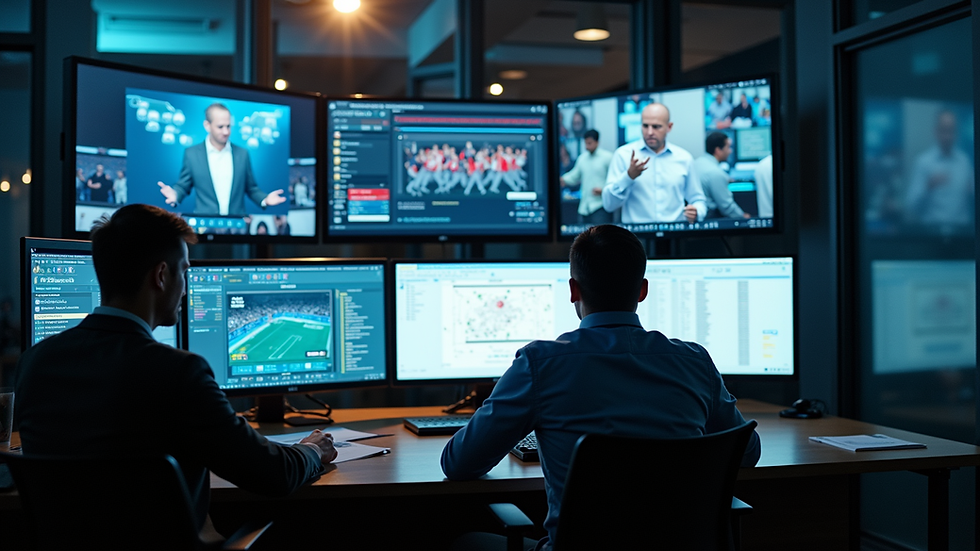
Sports Vision AI combines computer vision and machine learning. It processes video footage and images to extract meaningful insights. These insights can be about player movements, ball trajectories, or game tactics. The technology can analyze data in real-time or post-game.
For example, AI can track a soccer ball’s path and predict where it will land. It can also monitor player positioning to identify weaknesses in defense. This data helps coaches make informed decisions during matches.
Sports Vision AI is not limited to professional teams. Startups and leagues can use it to create new products and services. It can power apps that offer instant replays, player stats, or training feedback.

Key Applications of Sports Vision AI
There are several practical applications of Sports Vision AI. These include:
Performance Analysis: AI tracks player speed, acceleration, and movement patterns. This helps identify strengths and areas for improvement.
Injury Prevention: By analyzing biomechanics, AI can detect risky movements that may lead to injury.
Tactical Insights: AI studies team formations and opponent strategies. Coaches use this to adjust tactics during games.
Fan Engagement: AI enhances broadcasts with real-time stats and visual effects. It also powers interactive apps for fans.
Referee Assistance: AI helps referees make accurate calls by reviewing plays quickly.
Each application improves different aspects of sports operations. Together, they create a comprehensive system for enhancing the game.
How to Implement Sports Vision AI in Your Organization
Implementing Sports Vision AI requires a clear plan. Here are steps to get started:
Identify Your Goals
Decide what you want to achieve. Is it better player performance, injury reduction, or fan engagement? Clear goals guide your AI strategy.
Choose the Right Data Sources
Collect high-quality video footage and sensor data. Cameras placed around the field or wearable devices provide valuable inputs.
Select AI Tools and Platforms
Use AI software that fits your needs. Some platforms offer ready-made solutions, while others allow custom development.
Train Your AI Models
Feed your data into AI models to teach them how to recognize patterns. This step requires expertise in machine learning.
Integrate AI Insights into Workflows
Make sure coaches, analysts, and staff can access and use AI-generated insights easily.
Monitor and Improve
Continuously evaluate AI performance and update models as needed.
By following these steps, you can unlock the full potential of Sports Vision AI.
Exploring Sports Vision AI Use Cases
There are many sports vision ai use cases that demonstrate the technology’s impact. For example:
Basketball: AI tracks player shooting angles and success rates. Coaches use this data to improve training.
Tennis: AI analyzes serve speed and ball spin. Players adjust techniques based on feedback.
Football: AI monitors player fatigue and suggests substitutions to prevent injuries.
Esports: AI studies player reactions and strategies to enhance training.
These use cases show how versatile Sports Vision AI is. It adapts to different sports and levels of competition.
Future Trends in Sports Vision AI
The future of Sports Vision AI looks promising. Here are some trends to watch:
Real-Time Decision Making
AI will provide instant insights during games, helping coaches and referees make faster decisions.
Augmented Reality Integration
Fans and players will experience enhanced visuals through AR powered by AI data.
Personalized Training Programs
AI will create custom training plans based on individual player data.
Expanded Data Sources
Integration of drones, 3D cameras, and biometric sensors will enrich AI analysis.
Greater Accessibility
More affordable AI solutions will allow smaller teams and startups to benefit.
Staying updated on these trends will help organizations remain competitive.
Maximizing the Benefits of Sports Vision AI
To get the most from Sports Vision AI, focus on these best practices:
Invest in Quality Data
Accurate and diverse data improves AI accuracy.
Collaborate Across Departments
Involve coaches, analysts, medical staff, and IT teams in AI projects.
Prioritize User-Friendly Interfaces
Make AI insights easy to understand and act on.
Ensure Data Privacy and Security
Protect player and team data from unauthorized access.
Measure Impact Regularly
Track how AI influences performance and business goals.
By applying these principles, you can build a strong foundation for AI success.
Unlocking the power of Sports Vision AI is a game-changer. It offers practical tools to enhance performance, safety, and fan experience. With clear goals and the right approach, sports organizations can harness AI to drive innovation and growth. The future of sports is digital, and Sports Vision AI is at the forefront of this transformation.
Transform Sports Video into Actionable Insights
Turn match footage, training videos, and athlete data into meaningful performance
insights with a custom Sports Vision AI solution. SportsFirst can help you build AI- powered video analysis, player tracking, tactical intelligence, injury prevention, and fan
engagement platforms tailored to your sport and organization.
FAQs
What is Sports Vision AI?
Sports Vision AI uses computer vision and machine learning to analyze sports videos, images, player movements, ball trajectories, and game patterns. It helps teams turn visual data into actionable performance and tactical insights.
How does Sports Vision AI improve athlete performance?
Sports Vision AI tracks player speed, movement, positioning, technique, and workload. Coaches can use this data to identify strengths, correct weaknesses, and create more personalized training programs.
Can Sports Vision AI help prevent sports injuries?
Yes. Sports Vision AI can analyze biomechanics, posture, movement patterns, and physical workload to identify potentially risky actions. This allows coaches and medical teams to intervene before injuries occur.
What sports can use Sports Vision AI?
Sports Vision AI can be used in football, basketball, cricket, tennis, baseball, rugby, golf, athletics, esports, and many other sports. The technology can be customized according to the sport and its performance requirements.
How does Sports Vision AI support coaches?
Sports Vision AI provides coaches with player tracking, tactical analysis, formation insights, opponent analysis, and real-time performance data. These insights help coaches make faster and more informed decisions.
Can smaller sports organizations use Sports Vision AI?
Yes. Sports Vision AI is becoming more affordable and accessible. Academies, amateur leagues, startups, and smaller clubs can use cloud-based or custom solutions without requiring the infrastructure of a professional team.
